# EVERY LEAK. RANKED.
Turn scattered leak reports into the next repair that matters.
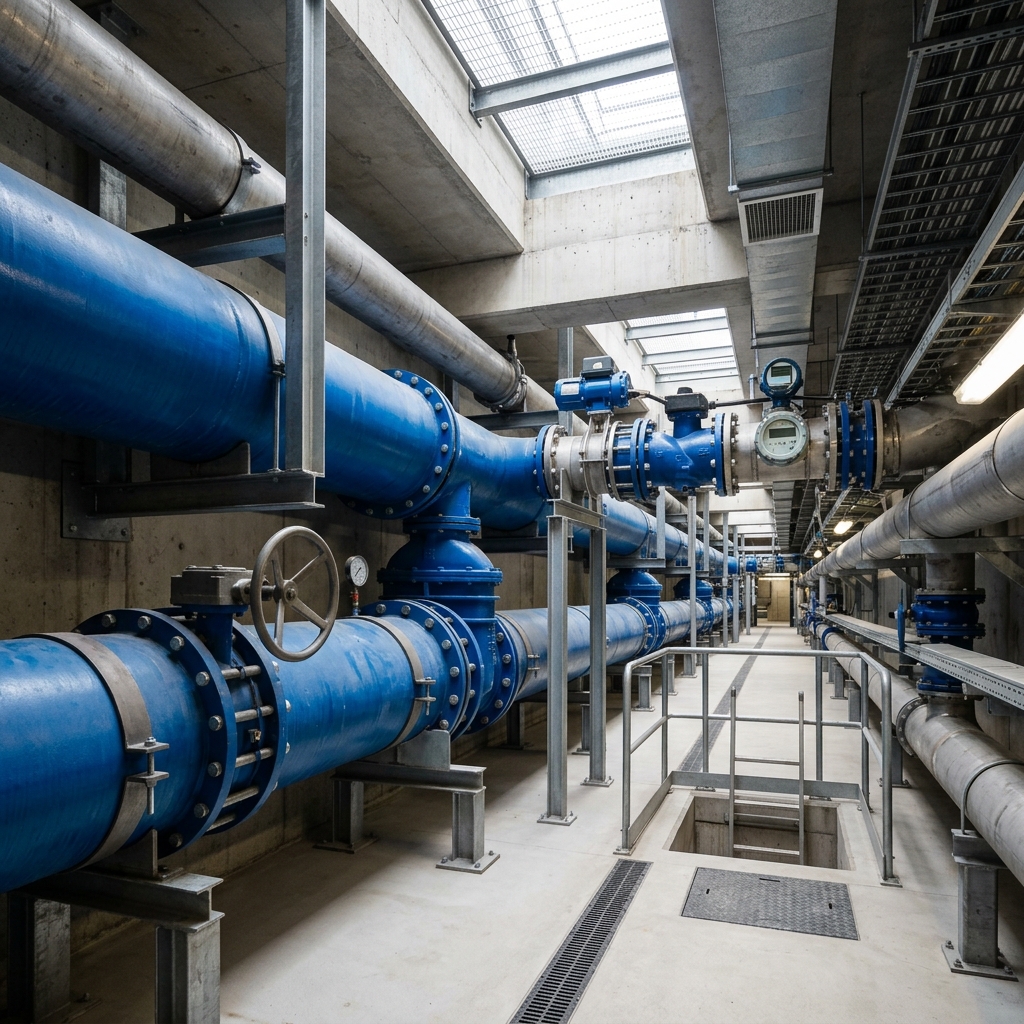 DISTRIBUTION NETWORK
Urban Water Distribution Infrastructure
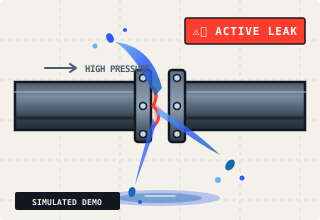
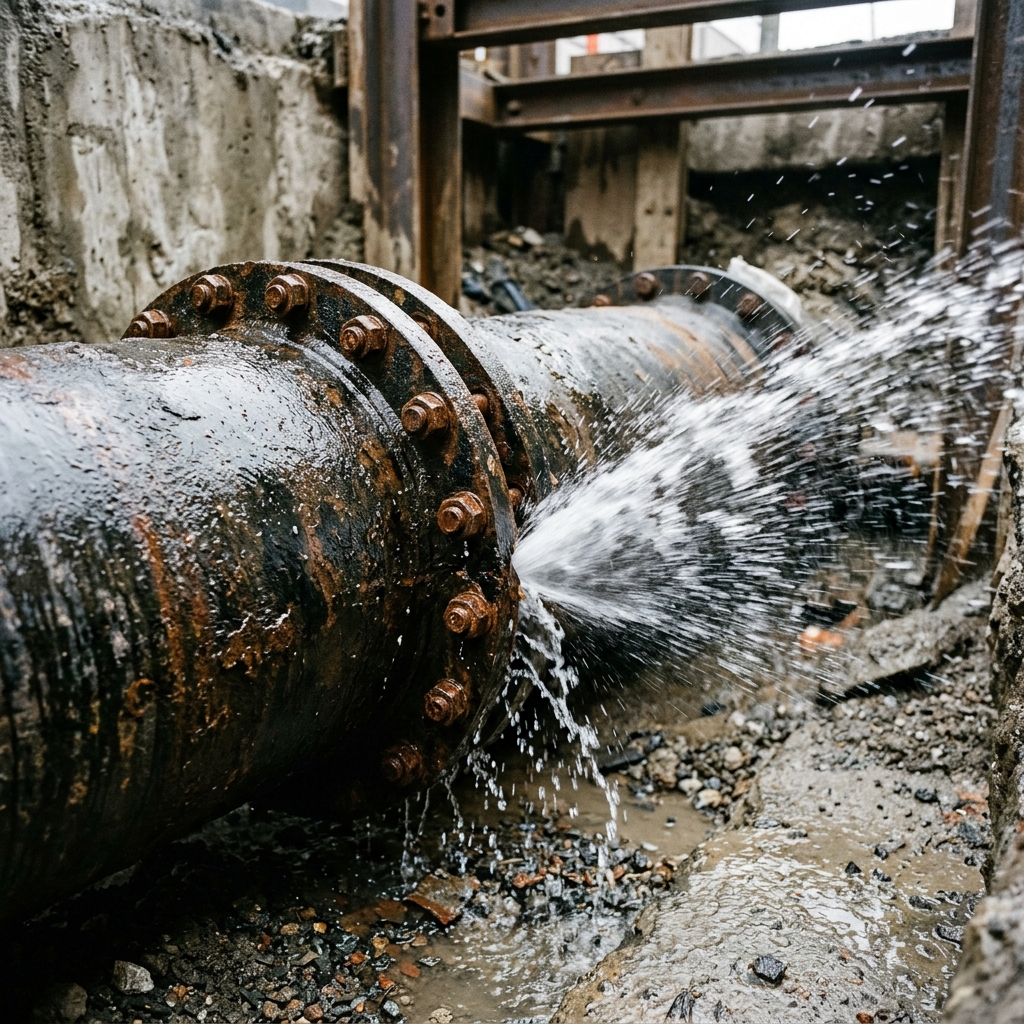
High-pressure municipal transmission mains and isolation valves require rapid triage to prevent widespread pressure loss across feeder lines.
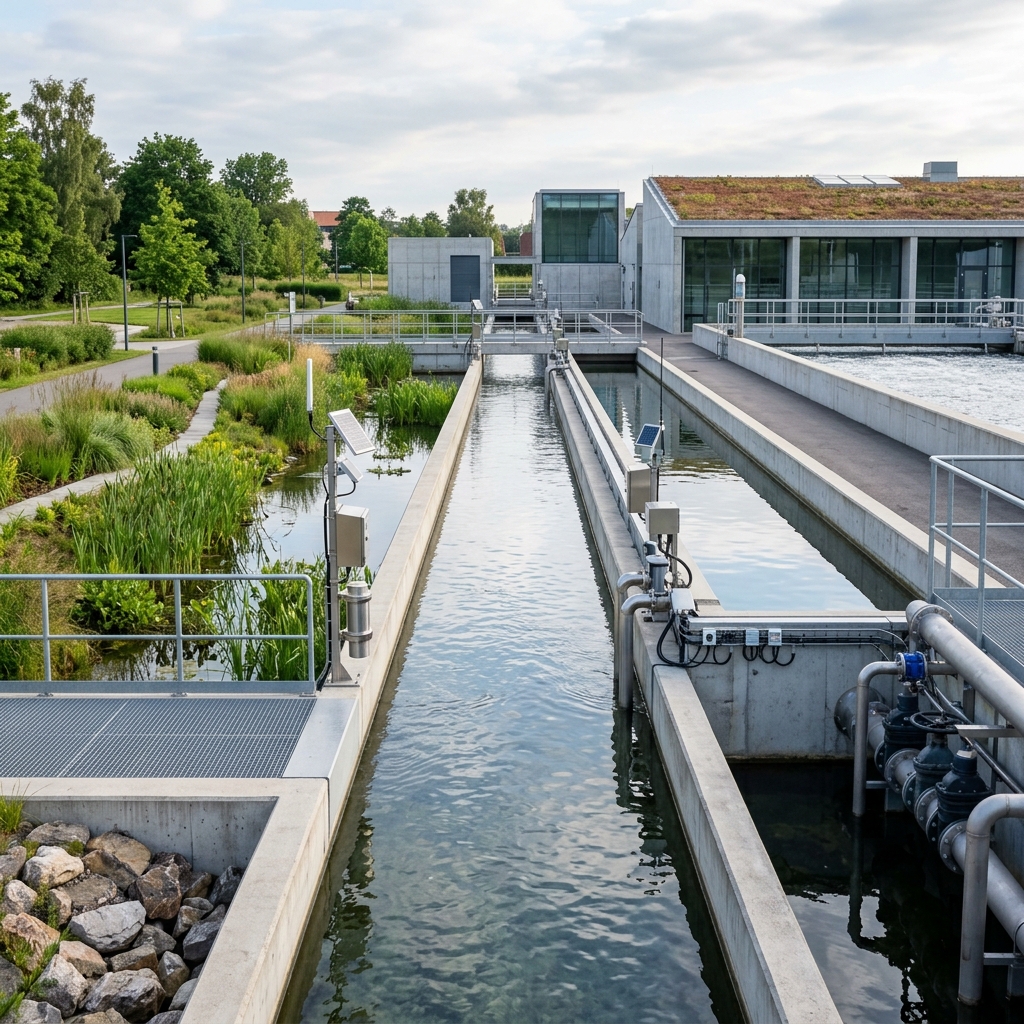 RESOURCE RECOVERY
Water Conservation & Non-Revenue Loss Prevention
Every ranked repair prioritizes clean drinking-water lines first, preserving municipal supplies before leaks breach physical containment.
MUNICIPAL LEAK MAP
REPORT LEAK
FIX THIS FIRST
Loading municipal queue...
HOW BOOND WORKS: 8-STEP PROTOCOL
Locate Leak
Locate the leak on the map or use the location button to record coordinates.
Select Flow
Select Drip, Steady or Gush based on the observed water flow rate.
Drinking Water
Indicate whether a drinking water line is affected (applies 1.5x priority weight).
Photo Evidence
Add an on-site photo when available and submit the report to the triage engine.
30m Proximity Merge
Similar open reports within 30 metres are automatically merged into one ticket.
Ranked Queue
Follow the ranked queue to understand which repair needs immediate attention.
Cedar Closure Rule
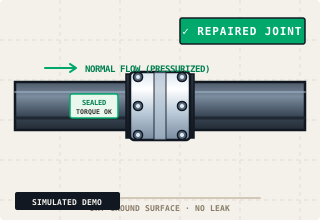
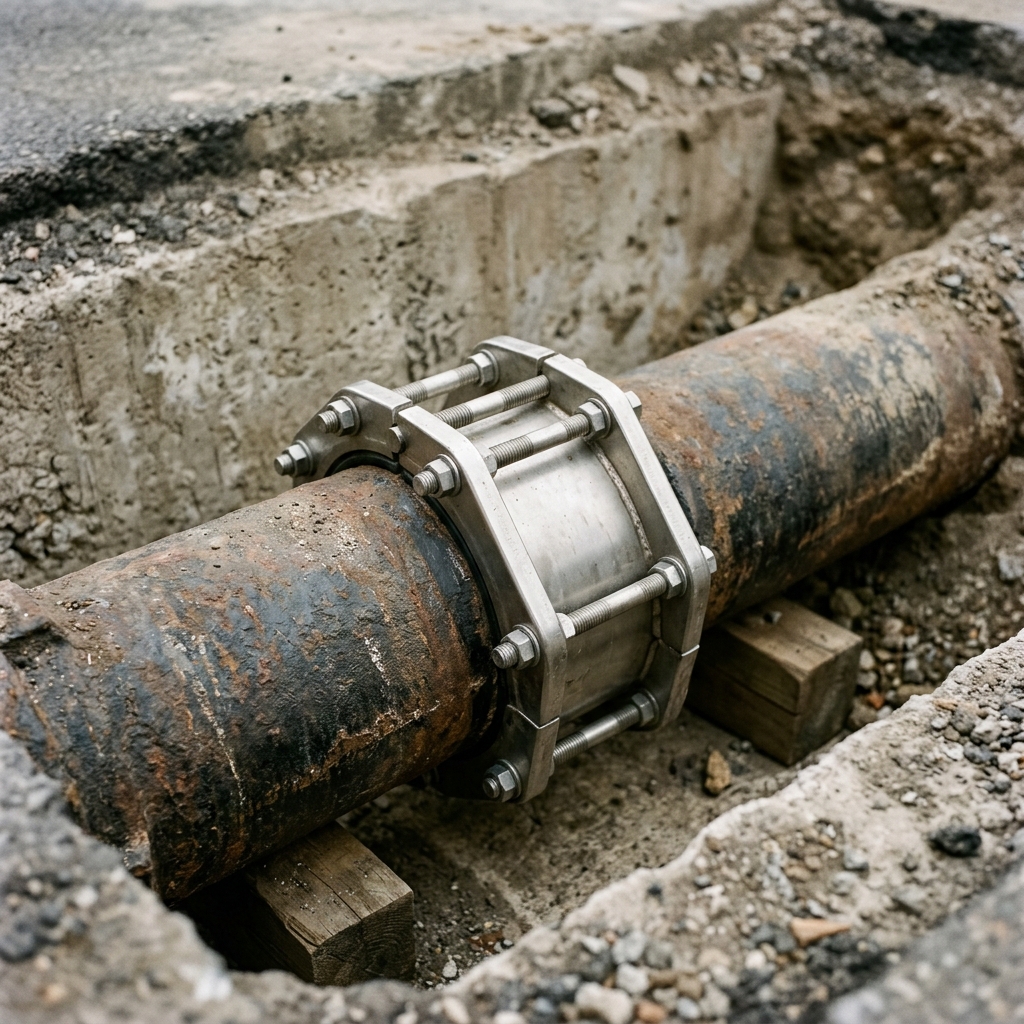
Only an authorized engineer can close a ticket, and after-repair photo proof is mandatory.
Neighbor Disputes
Residents can dispute premature closure; 2 disputes trigger automated reopening.
TRIAGE PRIORITY FORMULA (HEURISTIC AID)
Priority Score = Flow Midpoint × Drinking Multiplier (1.5x) × Reporter Multiplier
Midpoints: Drip (125 L/d) · Steady (1,250 L/d) · Gush (9,500 L/d). Reporter multiplier adds +0.25 per additional citizen report.
TRIAGE AID DISCLAIMER
Priority ranking is a triage aid for maintenance prioritization, not an official municipal order or a verified physical measurement of actual water saved. Illustrative benchmark tickets are simulated for operational demonstration.
HOW THE NUMBERS WORK (METHODOLOGY & HONESTY)
1. Flow Rates & Heuristic Priority
Flows are estimated: Drip (50–200 L/d, midpoint 125), Steady (500–2,000 L/d, midpoint 1,250), and Gush (4,000–15,000 L/d, midpoint 9,500). Priority formula applies a 1.5x multiplier for drinking water lines and +0.25 per additional reporter.
2. 30-Metre Proximity Merging
New reports within 30 metres of an existing open leak are automatically merged using the Haversine formula. The reporter count increases and the flow severity upgrades to the higher value observed.
3. Cedar Policy Authorization
Ticket closures require authenticated engineer status and verified after-repair photo proof. Reopening closed tickets requires at least 2 citizen disputes. Authorization decisions fail closed by design.
4. Honest Estimation Disclaimer
Estimated leakage addressed represents triage ranking metrics, not physical metered water saved. Illustrative benchmark tickets are simulated for operational testing and never represented as unverified citizen reports. Standard engineer authentication controls ticket closure.
BOOND — Water Emergency Triage Engine
Have field observations, telemetry suggestions, or bug reports? Prepare a local dispatch draft below.